sharing is caring
A good hotel is not defined by how many stars it has – but by how welcome it makes you feel. Sometimes that means offering a ramp.
Sometimes a little extra time at check-in. Sometimes simply the feeling: This place respects me. And that's exactly where accessibility begins – in the mind, in the heart, in your attitude. Less about technology. More about true hospitality.
It's not about ticking boxes. It is about asking: Who feels comfortable here? Who will come back – and who might not?
This blog post invites you to rethink accessibility. Not as an obligation. But as a powerful opportunity to make your hotel more open, more human – and more welcoming to everyone who comes through your doors.
Accessibility is not just about someone in a wheelchair being able to enter your building.
It's about making them want to. Because the reception is friendly. The signage is clear. The room is well thought out. And no one has to explain themselves. It's not about having perfect solutions. It is about a clear, honest intention: “We want you to feel at ease – just as you are.”
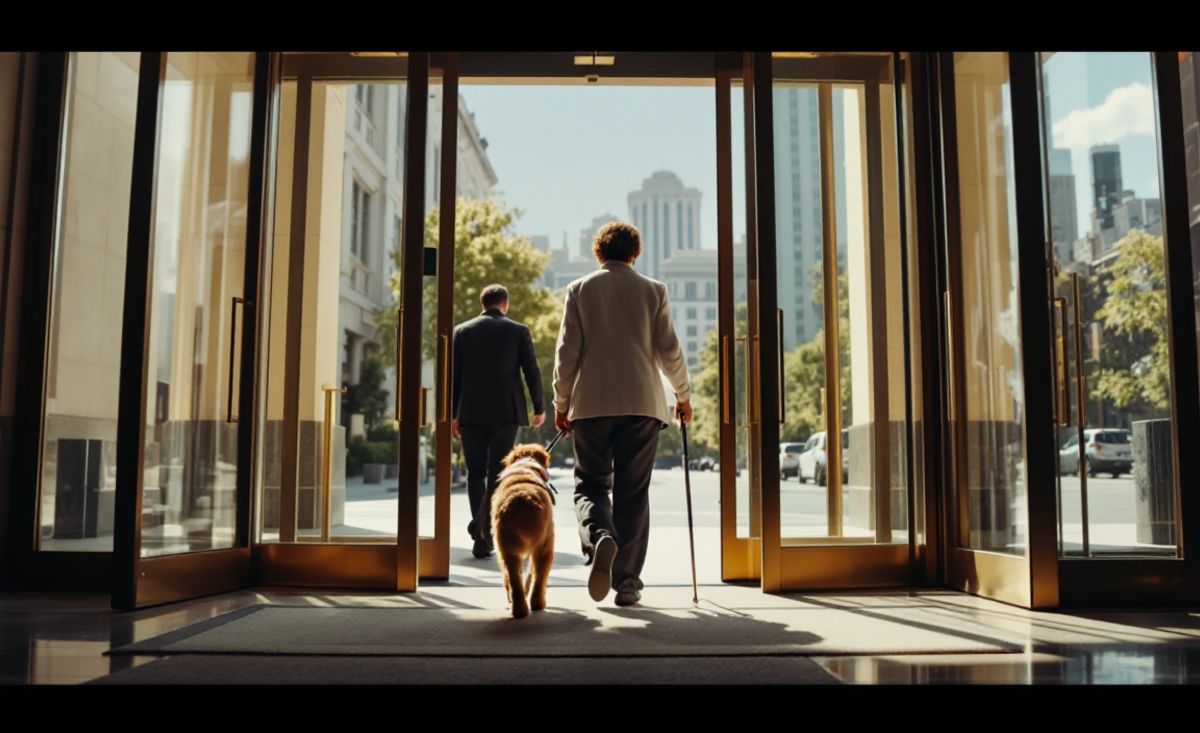
Whether neurodivergent, visually impaired, travelling with a personal assistant or caregiver or an assistance dog – true accessibility does not start with technical norms. It starts with understanding needs. It's not about treating someone as a special case – but about making them feel like a natural part of the picture.
Accessibility is not a request. It is part of what real hospitality means. ☻
Inclusion starts where no one feels like an exception. Accessibility does not mean welcoming someone especially. It means remembering they might come – and making sure nothing stands in their way. Design spaces where people can move, orient themselves and feel safe – without having to explain themselves.
Tip: Ask yourself: Where are barriers in your hotel? And how can you make belonging visible? Check your door widths. Offer quiet hours without music. Label allergens clearly. The list is long ;-)
Accessibility often begins with a single word. Or the feeling of being understood – without having to explain. If guests cannot read, hear or process information quickly, they are left out.
Language can exclude – or open doors.
Simple wording, pictograms, clear check-in explanations – it is often the small things that make a big difference. Sometimes all it takes is a shift in perspective.
Tip: Words reflect your mindset. Be mindful of phrases like “as you can see” or “have you heard?” Not everyone sees, hears or understands the way you do. That is where accessibility begins – not with complex instructions, but with language that includes everyone. Want to go deeper? Check out our Sustainable Hotel Handbook: Communication.
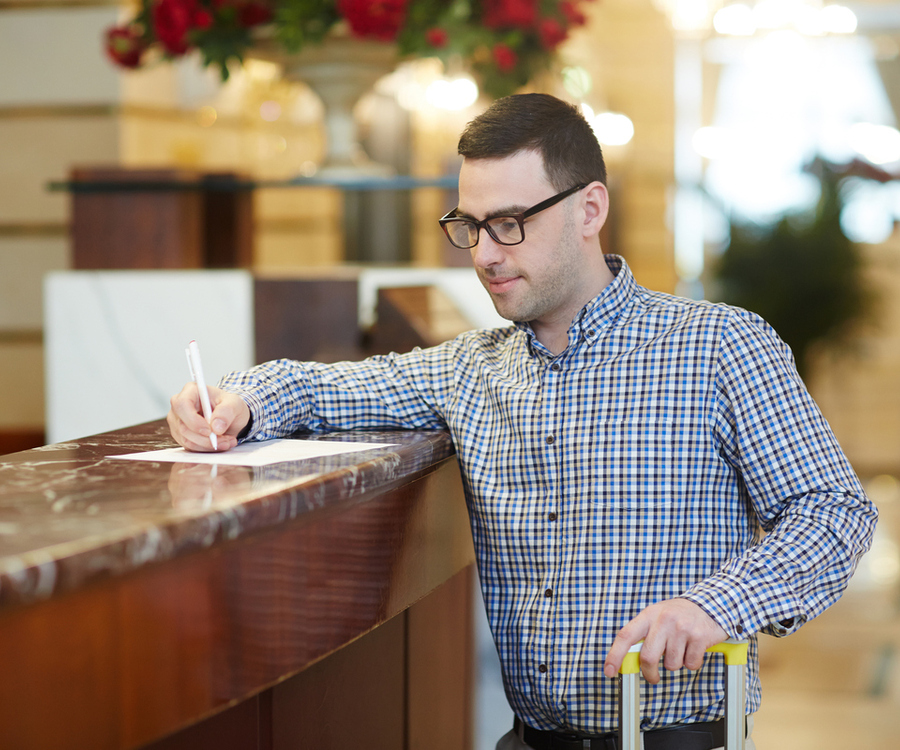
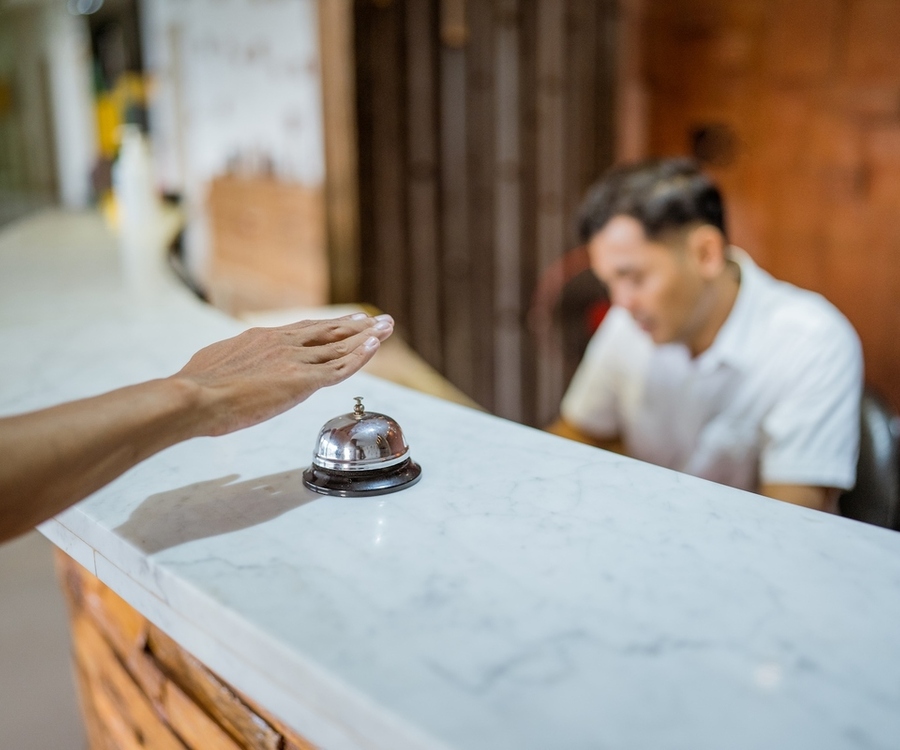
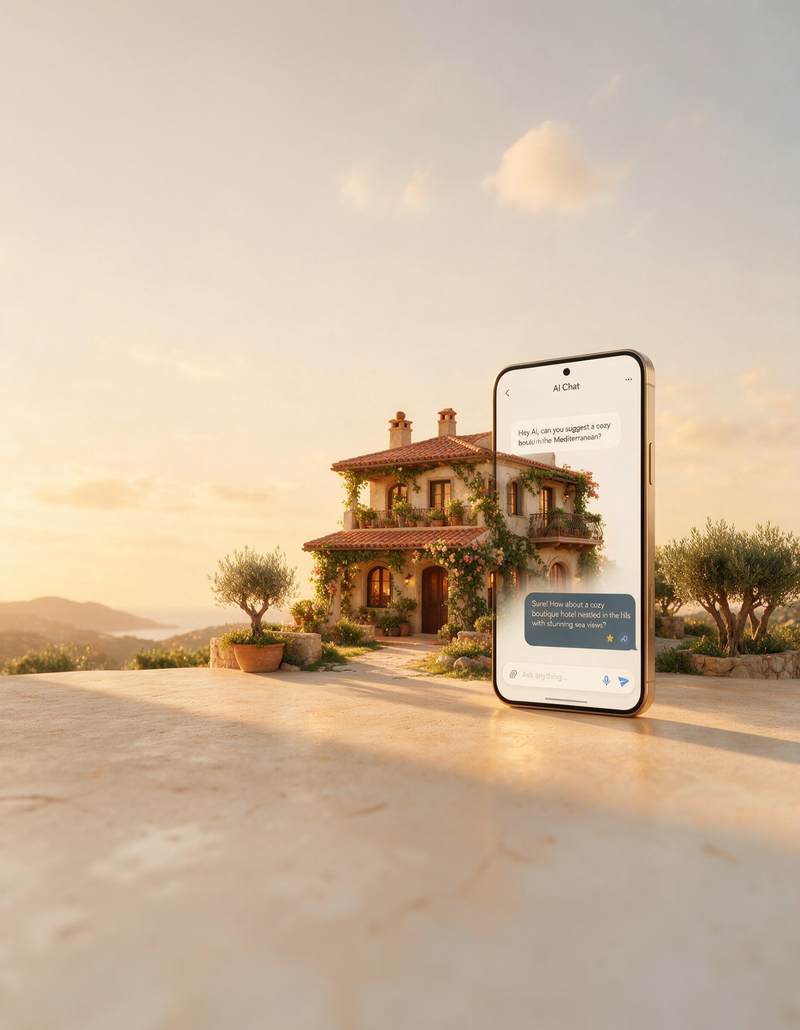
Before a guest enters your hotel, they have already been there – online. And that is where many great ideas fall apart: When websites are hard to read, bookings are complicated, or key information is hidden behind sleek design.
Digital accessibility is not about tech. It is about respect. After all – what good is the perfect ramp if the path to it is confusing?
Tip: Have someone test your website who struggles with orientation or invite someone from your community for a test stay at your hotel. You will learn a lot – and fast. For more, see our blog post on sustainable hotel websites.
Sometimes you do not need a new concept. Just a good conversation.
People living with limitations know exactly what they need. We just have to ask – openly, honestly, without fear. Guests who offer feedback. Team members who share experiences. Organisations that can support your journey. Listening does more than improving systems. It changes your perspective.
Tip: Start small. Invite someone from your community to give feedback – maybe during a test stay, a walkthrough or an open conversation with your team.
Accessibility does not mean having a protocol for every possible case. It means staying aware – and being ready. Ready to meet people’s needs in unexpected moments.
A guest arrives with an assistance dog?
A caregiver needs a separate bed in the same room?
Someone wants to enjoy breakfast in peace, without sensory overload?
Accessibility means: we may not have planned for it – but we are prepared.
Tip: Bring accessibility into your team conversations – not as a list of rules, but as a shared mindset: “We ask one time too many – not one time too few. And we find solutions together.”
Example (inspiration): Some supermarkets now offer autism-friendly shopping hours – dimmed lights, no music, no loud announcements, clear signage and a quieter checkout experience. That is what we call the curb-cut effect: small changes made for specific groups end up helping everyone.

Accessibility is not a limitation – it's an expansion. For your team. For your guests. For your positioning as a host who leads with purpose. Curb-cut effect, again: Designing with care for some often makes things better for all. From a clearly written menu to step-free access, subtitles and simple language – you reach more people, strengthen your brand and create guest experiences that leave a lasting impression. Because someone felt truly seen.
Accessibility is not about being perfect. And it does not have to be. At MAp Boutique Consultancy, we always say: progress over perfection.
That's true here as well. Start rethinking accessibility – today. Not through major renovations. But by choosing to notice more. By acting where you already can. And by creating a culture of welcome that includes everyone.
Want to go deeper? Download our free guide: 6 Principles for Social Sustainability in Hotels.
Or explore our The Sustainable Hotel Handbook: People.
#onwards
In this free guide you will receive a concise introduction to social sustainability in hotels – clear and directly actionable. The six principles set out concrete steps for guests and your team – from inclusive hospitality to holistic accessibility. Plus: a short best-practice example, key facts and resources to help you get started straight away.
 ke time for prosecco ke it happenke it meaningfulke good coffeeke it matterke funny jokeske it kindke it simpleke it count
Sign up for the MAp newsletter for practical insights on hotel branding, marketing, and sustainability, plus fresh thinking from our projects and new tools from our sustainability platform. Let’s move #onwards together.